Capnography: Measuring the Smoke of Metabolism On-Demand
Capnography, the monitoring of exhaled carbon dioxide (CO2) levels, is a vital tool in Emergency Medical Services (EMS) for assessing and managing patients with respiratory and cardiac conditions. The primary measurement provided by capnography is the end-tidal CO2 (ETCO2), which reflects the efficiency of ventilation, circulation, and metabolism. This lecture will explore the principles of capnography, its clinical applications, and its significance in EMS settings.
Capnography provides real-time, continuous information that can assist in the early detection of respiratory distress, effectiveness of ventilation, and proper placement of advanced airway devices. Additionally, ETCO2 monitoring offers crucial insight into cardiac arrest resuscitation efforts and can guide therapeutic interventions, including ventilator adjustments during mechanical ventilation or advanced airway management.
This lecture will also cover the interpretation of capnography waveforms and the significance of various waveform patterns, such as normal, hypercarbia, hypoventilation, and sudden loss of waveform, indicating critical clinical changes. Emphasis will be placed on the utility of capnography in clinical decision-making, patient monitoring during transport, and its role in enhancing patient outcomes in pre-hospital care.
By understanding the practical applications and limitations of
capnography, EMS providers can improve patient care, reduce mortality,
and optimize resource utilization during transport and on-scene care.
Objectives
- The student will understand A & P of the heart and respiratory systems.
- The student will understand diagnostic wave forms and their meaning in the field.
- The student will understand how to integrate capnography into their everyday assessments.
- The student will understand how capnography is the ultimate tool in advanced airway maintenance.
This EMS World webinar is accredited by CAPCE for 1 hour of continuing education credit upon successful completion of a post-test. Attendees will be provided instructions on how to claim CE credit for attending.
Topic outline
-
-
CompletionStudents mustViewCapnography, the monitoring of exhaled carbon dioxide (CO2) levels, is a vital tool in Emergency Medical Services (EMS) for assessing and managing patients with respiratory and cardiac conditions. The primary measurement provided by capnography is the end-tidal CO2 (ETCO2), which reflects the efficiency of ventilation, circulation, and metabolism. This lecture will explore the principles of capnography, its clinical applications, and its significance in EMS settings.
Capnography provides real-time, continuous information that can assist in the early detection of respiratory distress, effectiveness of ventilation, and proper placement of advanced airway devices. Additionally, ETCO2 monitoring offers crucial insight into cardiac arrest resuscitation efforts and can guide therapeutic interventions, including ventilator adjustments during mechanical ventilation or advanced airway management.
This lecture will also cover the interpretation of capnography waveforms and the significance of various waveform patterns, such as normal, hypercarbia, hypoventilation, and sudden loss of waveform, indicating critical clinical changes. Emphasis will be placed on the utility of capnography in clinical decision-making, patient monitoring during transport, and its role in enhancing patient outcomes in pre-hospital care.By understanding the practical applications and limitations of capnography, EMS providers can improve patient care, reduce mortality, and optimize resource utilization during transport and on-scene care.
Objectives- The student will understand A & P of the heart and respiratory systems.
- The student will understand diagnostic wave forms and their meaning in the field.
- The student will understand how to integrate capnography into their everyday assessments.
- The student will understand how capnography is the ultimate tool in advanced airway maintenance.
This EMS World webinar is accredited by CAPCE for 1 hour of continuing education credit upon successful completion of a post-test. Attendees will be provided instructions on how to claim CE credit for attending.
-
-
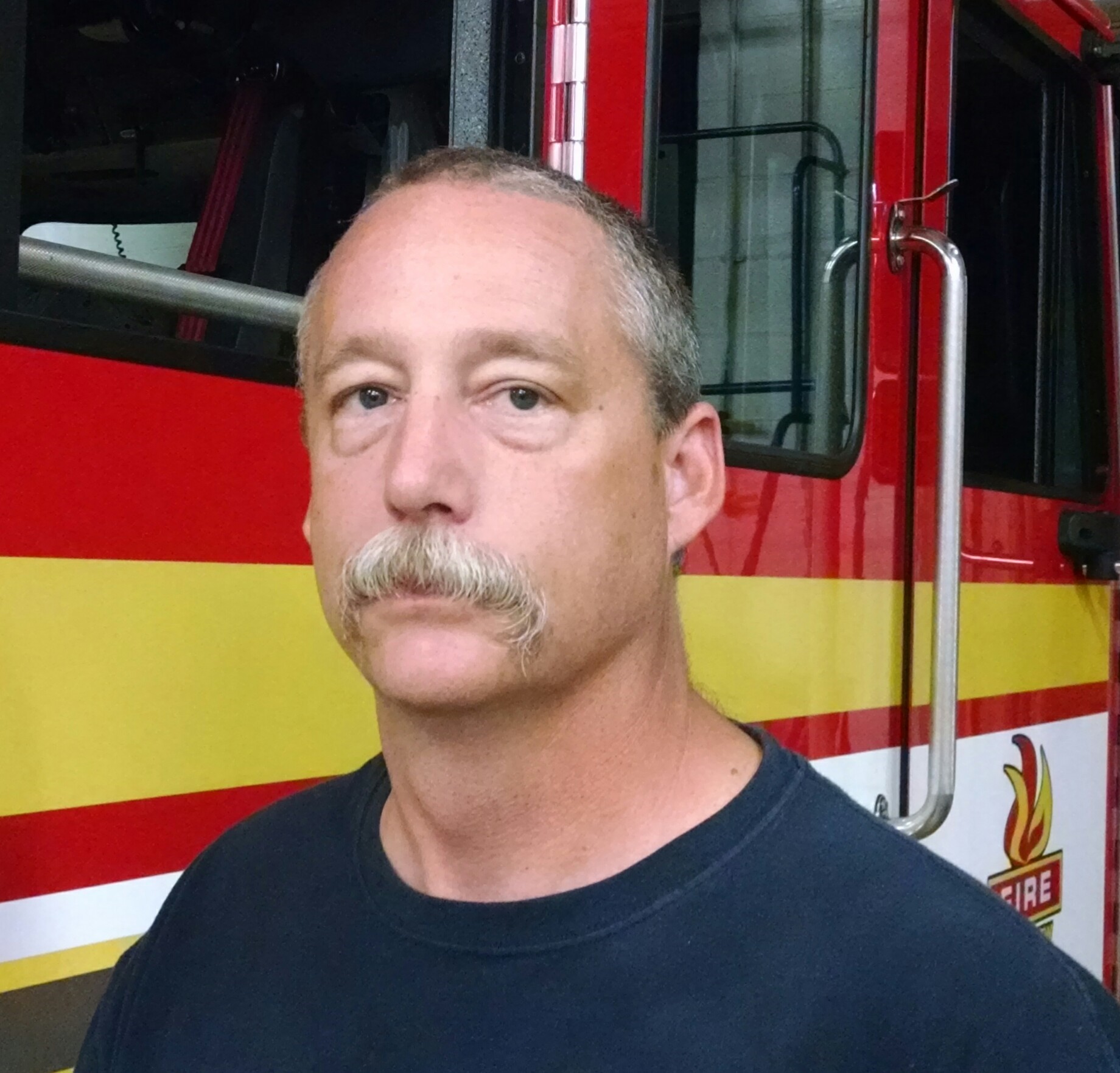 Paramedic InstructorCommunity Paramedic CoordinatorOhioHealth EMSMike has been dedicated to EMS since 1986, bringing a wealth of experience across a variety of roles, including volunteer, private provider, County 911, Emergency Department, fire-based EMS, helicopter EMS, EMS educator, conference speaker, legal consultant, and author. After 27 years of service as a paramedic, firefighter, and EMS Coordinator with the City of Grandview Heights, Ohio, Division of Fire, Mike retired from active duty. He currently serves as a Lead Paramedic Instructor and Community Paramedic Coordinator for OhioHealth EMS. Known for his unique sense of humor and extensive clinical knowledge, Mike is a dynamic educator who connects with students and professionals alike.
 -
-
CompletionStudents mustView
-
-
-
CompletionStudents mustViewSubmit feedback
Please complete the anonymous student evaluation of this course. There is no incorrect answer for each question and there is no penalty whatsoever for how you respond. We value your feedback and use it to improve courses and course delivery. A completed anonymous student evaluation is required by CAPCE in order to receive CEU credit for completing the course
-
-
-
CompletionStudents mustViewReceive a gradeReceive a passing grade
-
-